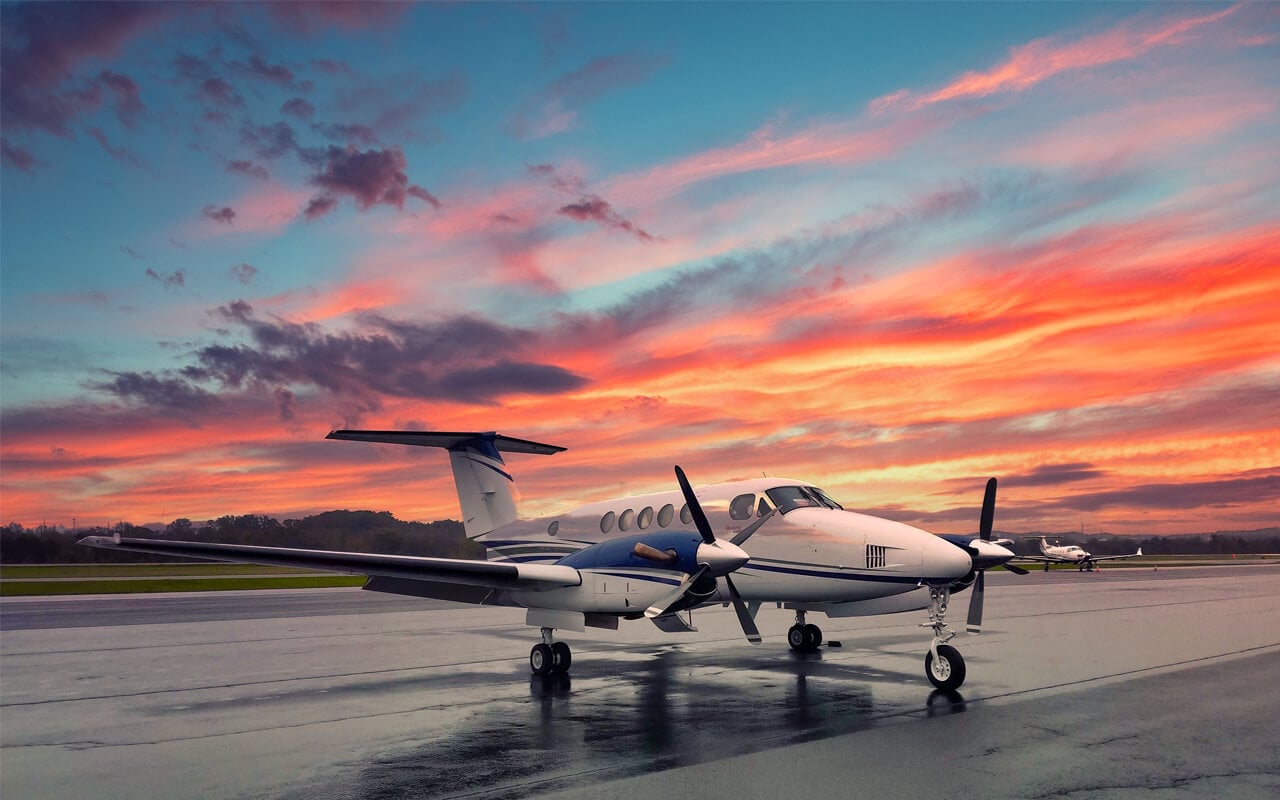
Multi-Engine Commercial
Fly Twins For Hire
Combine your Commercial Pilot Certificate with Multi-Engine privileges. Essential for charter, cargo, and corporate flying careers. The ticket to flying multi-engine aircraft professionally.
- Fly twins professionally
- Charter & cargo operations
- Required for airline path
- Commercial privileges in ME
What Can You Do With Multi-Engine Commercial?
The combination that unlocks professional multi-engine flying careers
Get Paid to Fly Twins
Exercise commercial privileges in multi-engine aircraft. Fly charter, cargo, corporate, and other commercial operations.
Charter Operations
Work for Part 135 charter operators flying multi-engine aircraft. Move passengers and cargo professionally.
Cargo Flying
Many cargo operations use light twins. This is a popular way to build multi-engine time and move toward airlines.
Corporate Aviation
Fly for corporations as SIC or Captain in their multi-engine fleet. Excellent career with great schedules.
Airline Foundation
Regional airlines require Commercial Multi-Engine with Instrument. This combination is essential for the airline path.
Teach Multi-Engine
With MEI certification (next step), teach others to fly multi-engine. Great way to build multi time.
Requirements & Prerequisites
Adding Multi-Engine to your Commercial Certificate
Existing Certificates
- Hold a Commercial Pilot Certificate (single or multi)
- Instrument Rating recommended
If Adding Multi-Engine Commercial
- Commercial privileges in single-engine
- Multi-engine training and checkride
If Getting Commercial Multi Directly
- Meet all Commercial Pilot requirements
- Training in multi-engine aircraft
- Complete Commercial maneuvers in multi-engine aircraft
Medical Requirements
- Second-Class Medical for commercial privileges
Most efficient path: Get Commercial Single-Engine first, then add Multi-Engine. This minimizes expensive multi-engine time.
What's Included in Your Training
Commercial-level multi-engine training for professional operations
Ground School
Commercial multi-engine knowledge
- Multi-engine aerodynamics review
- Commercial operations regulations
- Part 135 operations overview
- Weight and balance for commercial ops
- Performance planning
- Emergency procedures
Flight Training
Commercial maneuvers in multi-engine aircraft
- Commercial maneuvers in multi-engine
- Engine failure procedures
- Single-engine operations
- Precision approaches (if IFR)
- Emergency descents
- Commercial-standard landings
Checkride Prep
Preparation for your checkride
- Oral exam preparation
- Commercial ACS standards
- Multi-engine procedures review
- Mock checkrides
- Final stage check
Your Training Milestones
Multi-Engine Review
Refresh multi-engine skills
Day 1-2Commercial Maneuvers
Learn commercial maneuvers in twins
5-10 hoursCheckride Prep
Polish to commercial standards
12-20 hoursCheckride
Pass your FAA practical test
15-25 hoursTransparent Pricing
Investment in professional multi-engine flying
Flight Training
Ground Training
Fees
Costs for adding Multi-Engine to existing Commercial Certificate. Training from scratch costs more.
Ready to Fly Twins Professionally? Let's Plan
Schedule a consultation to plan your training
Let's review your current certificates, discuss your career goals, and create an efficient plan to get your Multi-Engine Commercial privileges.
What's Included:
- Review current certificates & ratings
- Discuss career goals
- Plan training sequence
- Estimate timeline & costs
Already have Multi-Engine Private? Training is shorter. Bring your logbook for an accurate assessment.

What Our Students Say
Hear from pilots who earned their certificates with us
""
""
""
Free Multi-Engine Commercial Career Guide
Plan your path to professional multi-engine flying
Our guide covers training paths, career options, time-building strategies, and how to progress to airlines.
What's Inside:
- Training path options
- Career opportunities with ME Commercial
- Cost comparison strategies
- Time-building in multi-engine
- Airline pathway timeline

Frequently Asked Questions
Everything you need to know about Multi-Engine Commercial
Should I get Commercial Single-Engine first or go straight to Multi?
Most students get Commercial Single-Engine first, then add Multi-Engine. This is more cost-effective since single-engine aircraft are cheaper to operate. The commercial maneuvers (chandelles, lazy eights, etc.) are easier to learn in singles too.
Do I need an Instrument Rating for Multi-Engine Commercial?
It's not required, but highly recommended. Without an Instrument Rating, your commercial certificate will have limitations. For airline careers, you'll need both Multi-Engine Commercial and Instrument Rating anyway.
What jobs can I get with Multi-Engine Commercial?
Cargo flying (FedEx feeders, cargo charter), passenger charter, banner towing with twins, corporate SIC positions, and flight instruction (with MEI). This is also a requirement for regional airline first officer positions.
How is the checkride different from Private Multi-Engine add-on?
The Commercial Multi-Engine checkride includes commercial maneuvers (chandelles, lazy eights, steep turns to commercial standards) plus all the multi-engine emergency procedures. Standards are tighter than for private.
Can I add Multi-Engine Instrument at the same time?
You can train for both, but they're separate checkrides (or can be combined). If you have Instrument Single-Engine, adding Instrument Multi-Engine is a separate rating. We often combine training for efficiency.
What's the career progression after Multi-Engine Commercial?
Typical path: build multi-engine time through cargo, instruction (MEI), or charter → regional airline First Officer → major airline. You'll need 1,500 hours total (1,000 in some cases) for ATP and airline jobs.
Still have questions?