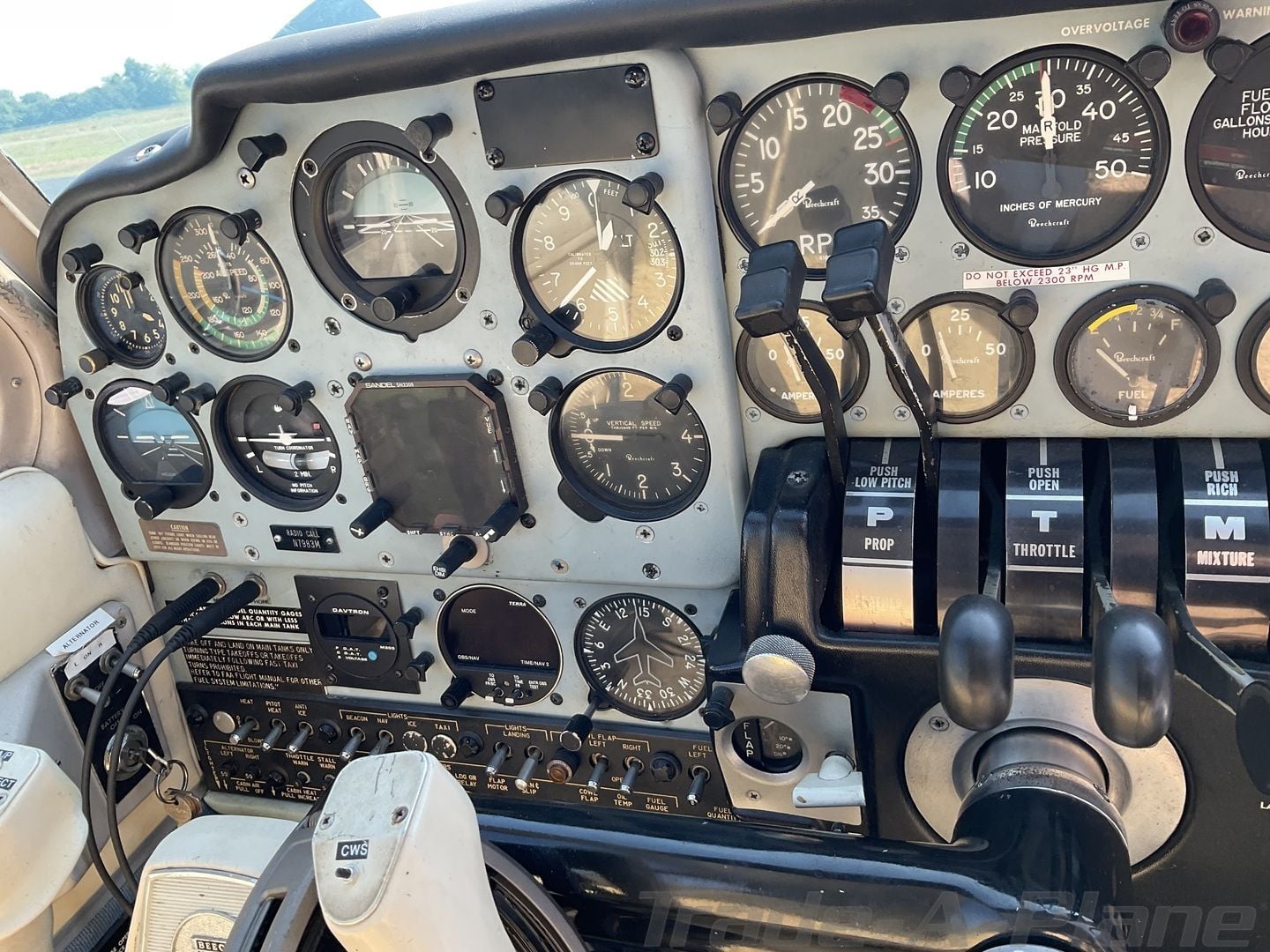
Multi-Engine Rating
Fly Twin Engine Aircraft
Add a Multi-Engine Rating to your pilot certificate and fly aircraft with two or more engines. Essential for airline careers and opens doors to faster, more capable aircraft.
- Fly twin-engine aircraft
- Required for airlines
- Fast rating to earn
- No written test required
What Can You Do With a Multi-Engine Rating?
Open doors to faster, more capable aircraft and professional opportunities
Fly Twin-Engine Aircraft
Pilot multi-engine aircraft like the Piper Seminole, Beechcraft Baron, and larger twins. More speed, more capability, more range.
Engine-Out Safety
Multi-engine aircraft can continue flying if one engine fails. You'll master single-engine procedures and Vmc awareness.
Career Advancement
Required for airline careers and most corporate flying jobs. Multi-engine time is highly valued by employers.
Faster Travel
Multi-engine aircraft are typically faster than singles. Cover more distance in less time on your cross-country flights.
Build Multi Time
Start logging multi-engine PIC time. Airlines and corporate operators look for multi-engine experience.
More Passengers & Cargo
Most multi-engine aircraft carry more passengers and cargo than single-engine aircraft. Greater utility for travel.
Requirements & Prerequisites
Multi-Engine Rating has straightforward requirements
Pilot Certificate
- Hold at least a Private Pilot Certificate
- Single-engine land or sea rating
Medical Certificate
- Valid FAA Medical Certificate
- Class depends on how you'll use the rating
No Minimum Hours
- No minimum flight hours required
- Training time varies by proficiency
No Written Test
- No FAA knowledge test required
- Oral exam covers multi-engine knowledge
The Multi-Engine Rating is one of the most straightforward add-on ratings. Most pilots complete it in 1-2 weeks.
What's Included in Your Training
Focused training on multi-engine operations and emergency procedures
Ground School
Multi-engine aerodynamics and systems
- Multi-engine aerodynamics
- Vmc and engine-out theory
- Aircraft systems (fuel, electrical, props)
- Weight and balance considerations
- Multi-engine performance charts
- Emergency procedures
Flight Training
Hands-on multi-engine flying
- Normal multi-engine operations
- Engine failure recognition
- Single-engine flight
- Vmc demonstration
- Single-engine approaches
- Emergency procedures
Checkride Prep
Preparation for your multi-engine checkride
- Oral exam preparation
- Systems knowledge review
- Maneuvers to ACS standards
- Mock checkrides
- Final stage check
Your Training Milestones
First Multi Flight
Experience twin-engine flying
Day 1Engine Failures
Master engine-out procedures
3-5 hoursSingle-Engine Approaches
Land with one engine inoperative
6-10 hoursCheckride
Pass your FAA practical test
10-15 hoursTransparent Pricing
One of the most affordable advanced ratings
Flight Training
Ground Training
Fees
Multi-engine training is relatively quick. Most students complete in 10-15 hours.
Ready for Twins? Schedule Training
Start your multi-engine training
Multi-engine training is focused and efficient. Most pilots complete the rating in 1-2 weeks. Let's get you scheduled and flying twins.
What's Included:
- Ground school materials
- Flight training in Piper Seminole
- Checkride preparation
- DPE scheduling assistance
Multi-engine training can be completed as an intensive course or spread over several weeks based on your schedule.

What Our Students Say
Hear from pilots who earned their certificates with us
""
""
""
Free Multi-Engine Training Guide
Everything you need to know before your multi-engine training
Our guide covers multi-engine training, what to expect, how to prepare, and tips from our MEIs for success.
What's Inside:
- Multi-engine training overview
- Vmc and engine-out concepts
- Training timeline and costs
- Checkride preparation tips
- Career path information

Frequently Asked Questions
Everything you need to know about the Multi-Engine Rating
How long does it take to get a Multi-Engine Rating?
Most pilots complete their Multi-Engine Rating in 1-2 weeks with consistent training. There's no minimum hour requirement, so the timeline depends on how quickly you develop proficiency. Many students finish in 10-15 hours of flight time.
Do I need to take a written test?
No! The Multi-Engine Rating is one of the few ratings that doesn't require an FAA knowledge test. All the knowledge testing is done during the oral portion of your practical test.
What aircraft will I train in?
You'll train in our Piper Seminole (PA-44), an excellent multi-engine trainer. It has counter-rotating propellers which eliminate many of the critical engine factors, making it ideal for learning multi-engine concepts safely.
What is Vmc and why is it important?
Vmc is the minimum controllable airspeed with one engine inoperative. Below this speed, you cannot maintain directional control if an engine fails. Understanding and respecting Vmc is critical to safe multi-engine flying—it's a major focus of training.
Will I actually shut down an engine in flight?
During training, we simulate engine failures by reducing power to idle—we don't actually shut down engines except in rare circumstances. You'll learn to identify, verify, and manage engine failures while always maintaining a safe margin above Vmc.
Should I get my Multi-Engine Rating before or after my Commercial?
Either order works. Many students get their Commercial Single-Engine first, then add Multi-Engine. Others combine them. If you're pursuing an airline career, you'll eventually want both Commercial Multi-Engine and Multi-Engine Instrument.
Can I add Instrument privileges to my Multi-Engine Rating?
If you already have an Instrument Rating in single-engine aircraft, you can add Multi-Engine Instrument privileges. This requires additional training in multi-engine IFR operations and a separate checkride. We offer this as an add-on.
How much multi-engine time do airlines want?
Requirements vary, but most regional airlines want to see some multi-engine time—even 25-50 hours helps. As you progress in your career, you'll build multi-engine time quickly. The Multi-Engine Rating is just the first step.
Still have questions?