Instrument Rating
Fly Through the Clouds
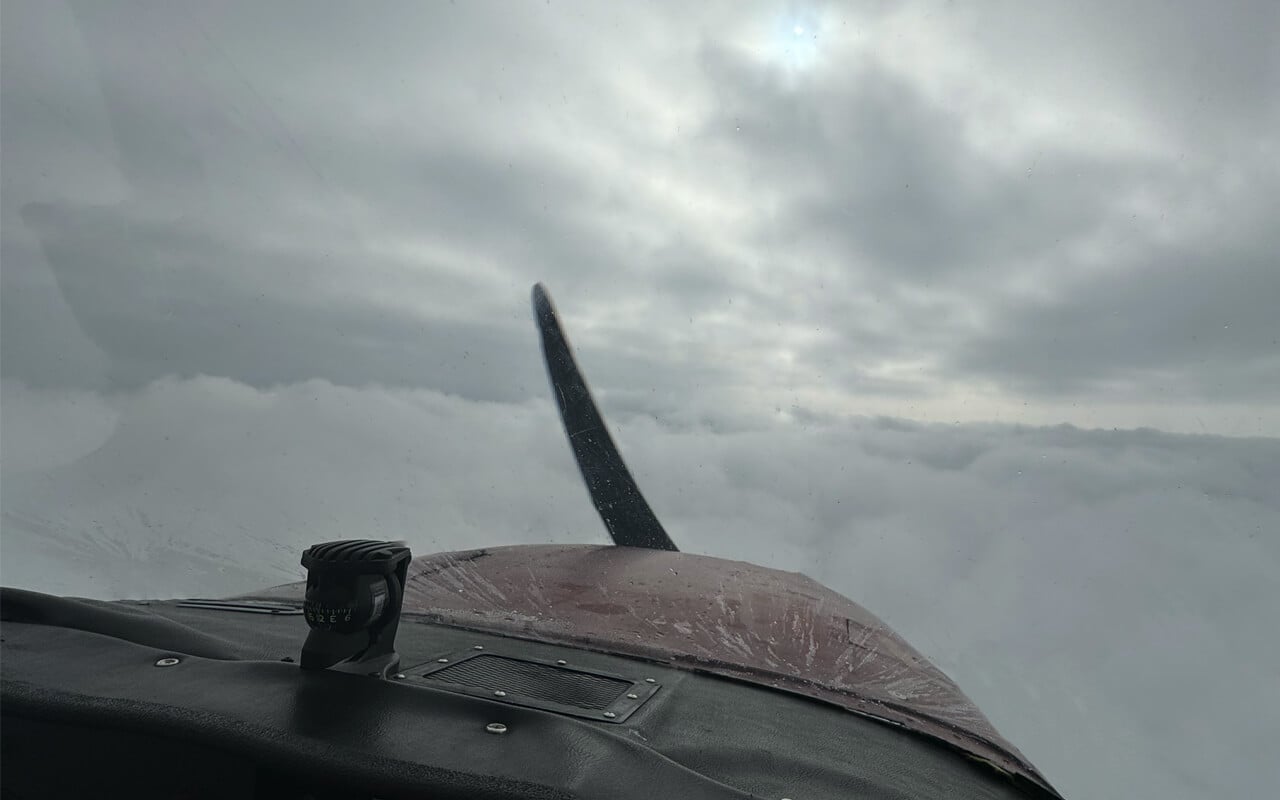
Break free from weather limitations. An Instrument Rating allows you to fly in clouds, low visibility, and conditions that ground VFR pilots. Essential for serious pilots and required for airline careers.
- Fly in clouds and low visibility
- Required for airline careers
- Dramatically safer pilot
- More reliable travel
What Can You Do With an Instrument Rating?
An Instrument Rating transforms you from a fair-weather pilot to an all-weather aviator
Fly in Instrument Conditions
Navigate through clouds, fog, and low visibility using only your instruments. No more cancelled trips due to weather.
Dramatically Safer Flying
Instrument training makes you a significantly safer pilot, even in VFR conditions. You'll have the skills to handle unexpected weather.
More Reliable Travel
Complete more trips as planned. An instrument-rated pilot can depart and arrive in conditions that would ground VFR pilots.
Career Advancement
Required for commercial operations and airline careers. Your instrument rating is essential for professional flying.
Safer Night Flying
Night IFR is often safer than night VFR. Navigate precisely to your destination regardless of ground references.
Foundation for Advanced Ratings
Required before Commercial Pilot certificate for most career paths. Builds skills essential for professional flying.
Requirements & Prerequisites
Here's what you need before starting your Instrument Rating
Pilot Certificate
- Hold at least a Private Pilot Certificate
- Or be training for PPL and IR concurrently
Flight Experience
- 50 hours of cross-country PIC time
- 40 hours of actual or simulated instrument time
Medical Certificate
- Valid FAA Third-Class Medical (or higher)
- Same as your Private Pilot requirements
Knowledge Requirements
- Pass FAA Instrument Rating knowledge test
- Strong understanding of weather and navigation
Don't have enough cross-country time yet? We can help you build hours while preparing for your instrument training.
What's Included in Your Training
Comprehensive instrument training that builds confident IFR pilots
Ground School
Master instrument flying theory
- IFR regulations and procedures
- Weather theory and analysis
- IFR navigation systems
- Approach procedures
- ATC communication
- Emergency procedures
Flight Training
Hands-on instrument flying skills
- Basic attitude instrument flying
- IFR navigation and tracking
- Holding patterns
- Precision approaches (ILS)
- Non-precision approaches
- Partial panel flying
Checkride Prep
Final preparation for your IFR checkride
- Written exam preparation
- Oral exam practice
- Cross-country flight planning
- Mock checkrides
- Final stage check
Your Training Milestones
Hood Work Begins
Learn to trust your instruments
Day 1First Approaches
Fly your first ILS and VOR approaches
10-15 hoursIFR Cross-Country
File and fly IFR cross-country
25-35 hoursCheckride
Pass your FAA practical test
40-50 hoursTransparent Pricing
Investment in the rating that transforms your flying
Flight Training
Ground Training
Materials & Fees
Costs vary based on prior experience, proficiency, and training frequency. Students who fly regularly progress faster.
Ready to Start? Schedule a Consultation
Meet with our instrument training team
Unlike primary training, instrument students already know how to fly. Schedule a consultation to discuss your goals, review your logbook, and create a personalized training plan.
What's Included:
- Review your flight experience
- Discuss training timeline
- Create personalized plan
- Answer all your questions
Already have significant instrument time? We can evaluate where you are and build a plan to get you to checkride.

What Our Students Say
Hear from pilots who earned their certificates with us
""
""
""
Free Instrument Rating Starter Guide
Everything you need to know before starting IFR training
Our comprehensive guide covers instrument training requirements, costs, what to expect, and how to prepare for success.
What's Inside:
- IFR training roadmap
- Cost breakdown & financing options
- Study tips from our CFIIs
- Simulator vs. aircraft training
- Currency requirements explained

Frequently Asked Questions
Everything you need to know about earning your Instrument Rating
How long does it take to get an Instrument Rating?
Most students complete their Instrument Rating in 2-4 months with consistent training. The FAA requires 40 hours of instrument time, but the national average is around 50-60 hours. Our structured program typically helps students finish in 45-55 hours.
Do I need my Private Pilot Certificate first?
You need to hold at least a Private Pilot Certificate before taking your instrument checkride. However, you can train for both concurrently. Many students start instrument training while building the cross-country time needed for their instrument rating requirements.
Is instrument training harder than private pilot training?
It's different. Instrument flying requires precision and trust in your instruments rather than visual references. Many students find the concepts more challenging initially, but with practice, it becomes second nature. The key is consistent training and good study habits.
Can I use a simulator for instrument training?
Yes! Up to 20 hours of your instrument training can be done in an approved simulator. This is a great way to practice approaches, holds, and procedures at a lower cost than flying the actual aircraft.
What weather can I fly in with an Instrument Rating?
An Instrument Rating allows you to fly in IMC (Instrument Meteorological Conditions) - clouds, fog, and low visibility. However, there are still limitations based on approach minimums, aircraft equipment, and pilot currency. You'll learn all about IFR weather limitations during training.
Is the Instrument Rating required for a career in aviation?
Yes, virtually all professional pilot positions require an Instrument Rating. Airlines, charter operators, and corporate flight departments all require it. Even if you don't plan to fly professionally, the instrument rating makes you a significantly safer and more capable pilot.
What's the hardest part of instrument training?
Most students say learning to trust their instruments over their senses is the biggest challenge. Your body can deceive you in the clouds, so you must learn to rely completely on what the instruments tell you. This is called 'spatial disorientation' and overcoming it is a key skill.
How do I stay current after getting my rating?
To stay IFR current, you need to complete 6 instrument approaches, holding procedures, and intercepting/tracking courses every 6 months. Many pilots use simulators or safety pilots to maintain currency. We offer IFR proficiency programs to help you stay sharp.
Still have questions?