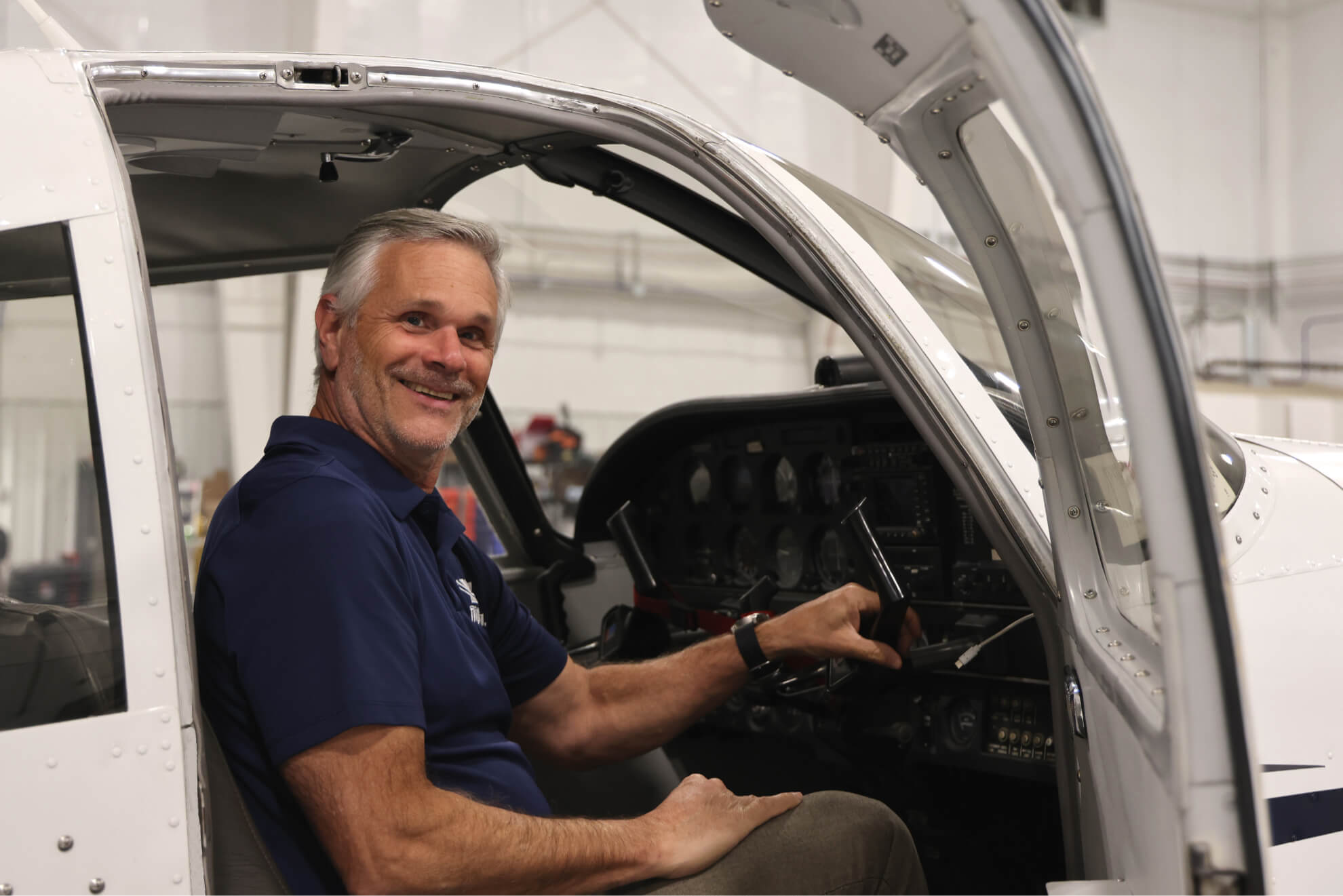
Self-Paced Flight Training
Train on Your Schedule, Pay as You Go
Build your pilot certificates one at a time with flexible scheduling that fits your life. No large upfront commitment—just quality training when you're ready.
Individual Certificates & Ratings
Choose your next certificate and train at your own pace. Each rating builds on the last, giving you complete control over your aviation journey.
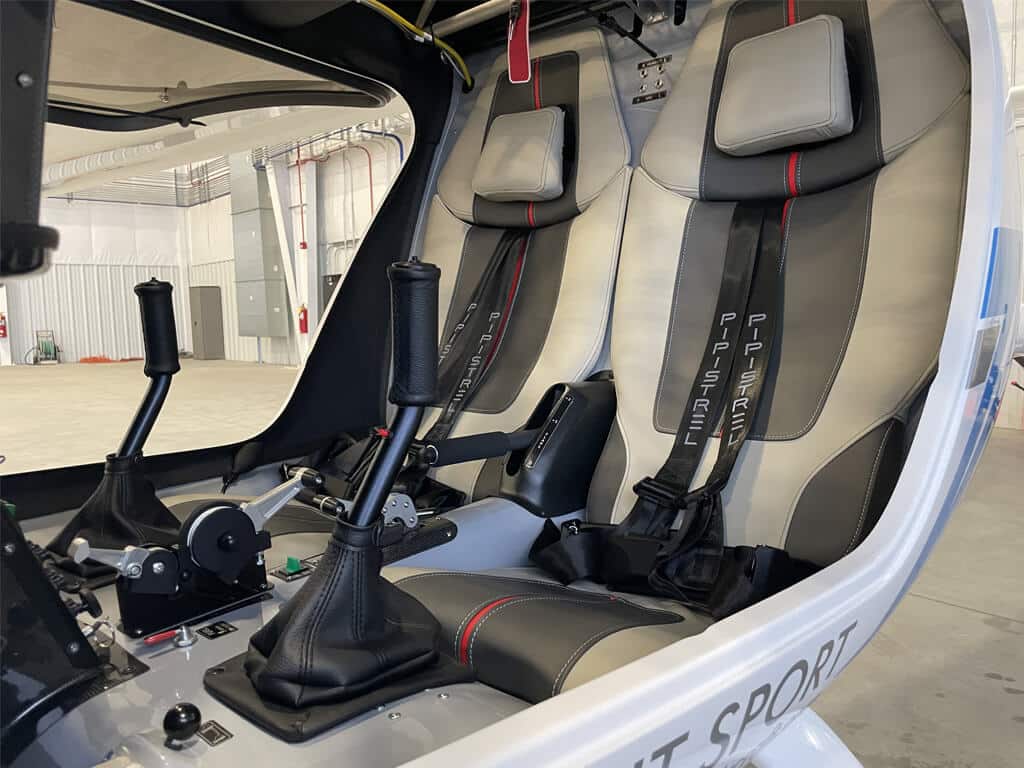
Sport Pilot
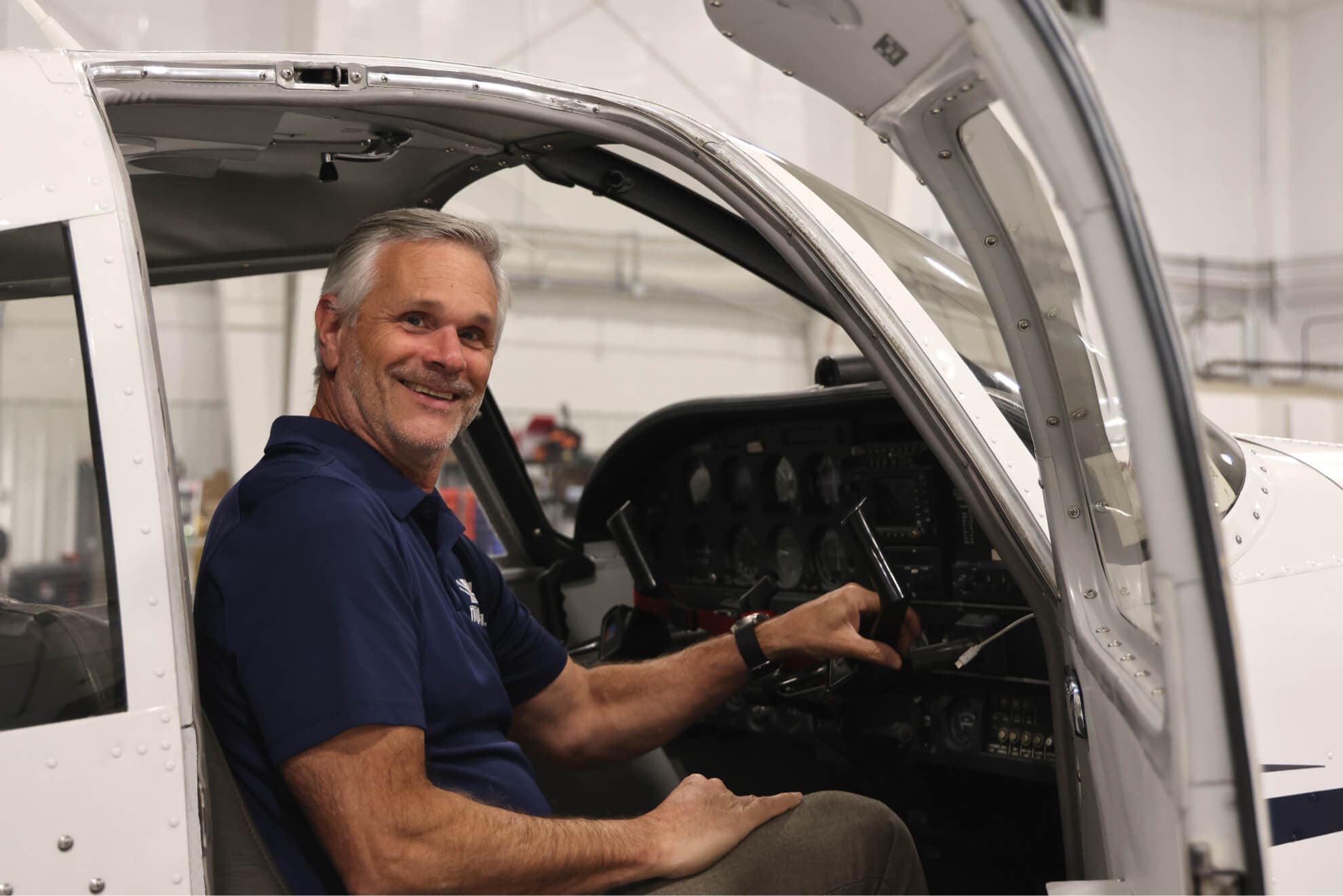
Private Pilot
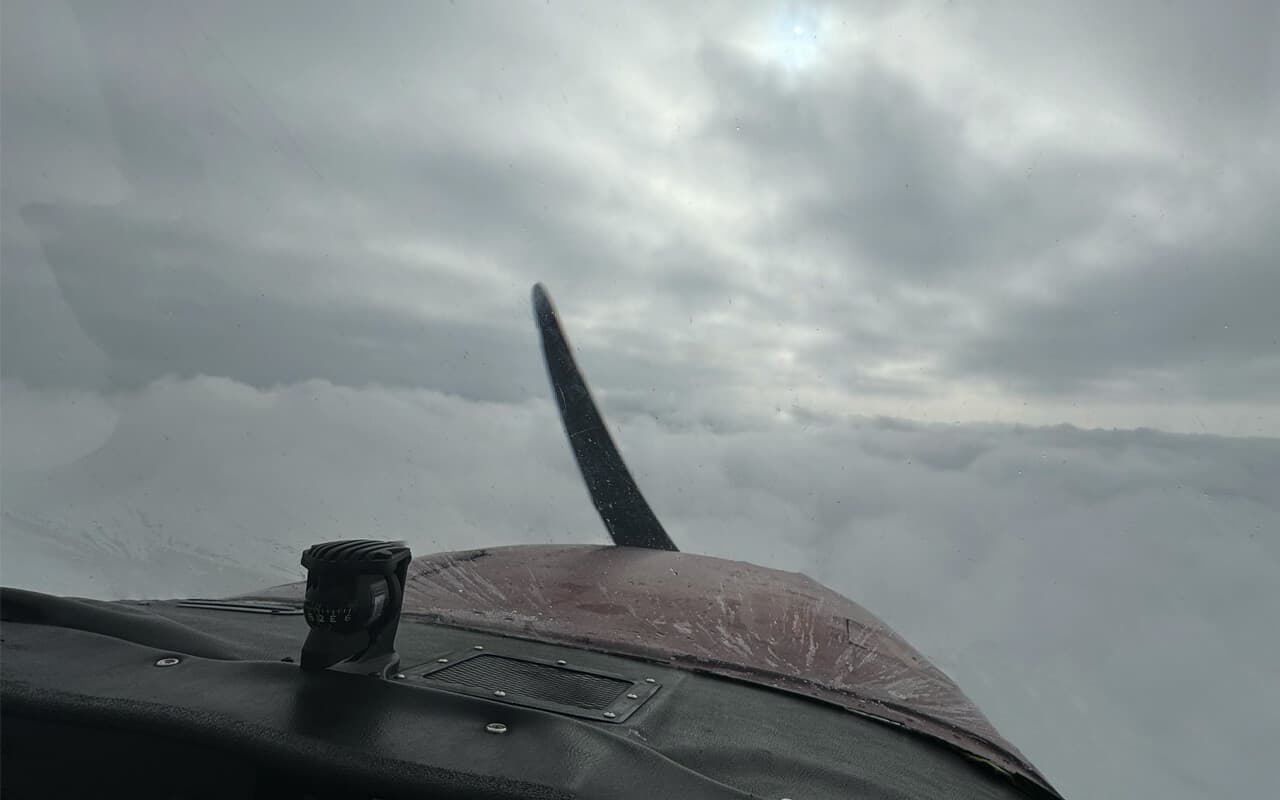
Instrument Rating
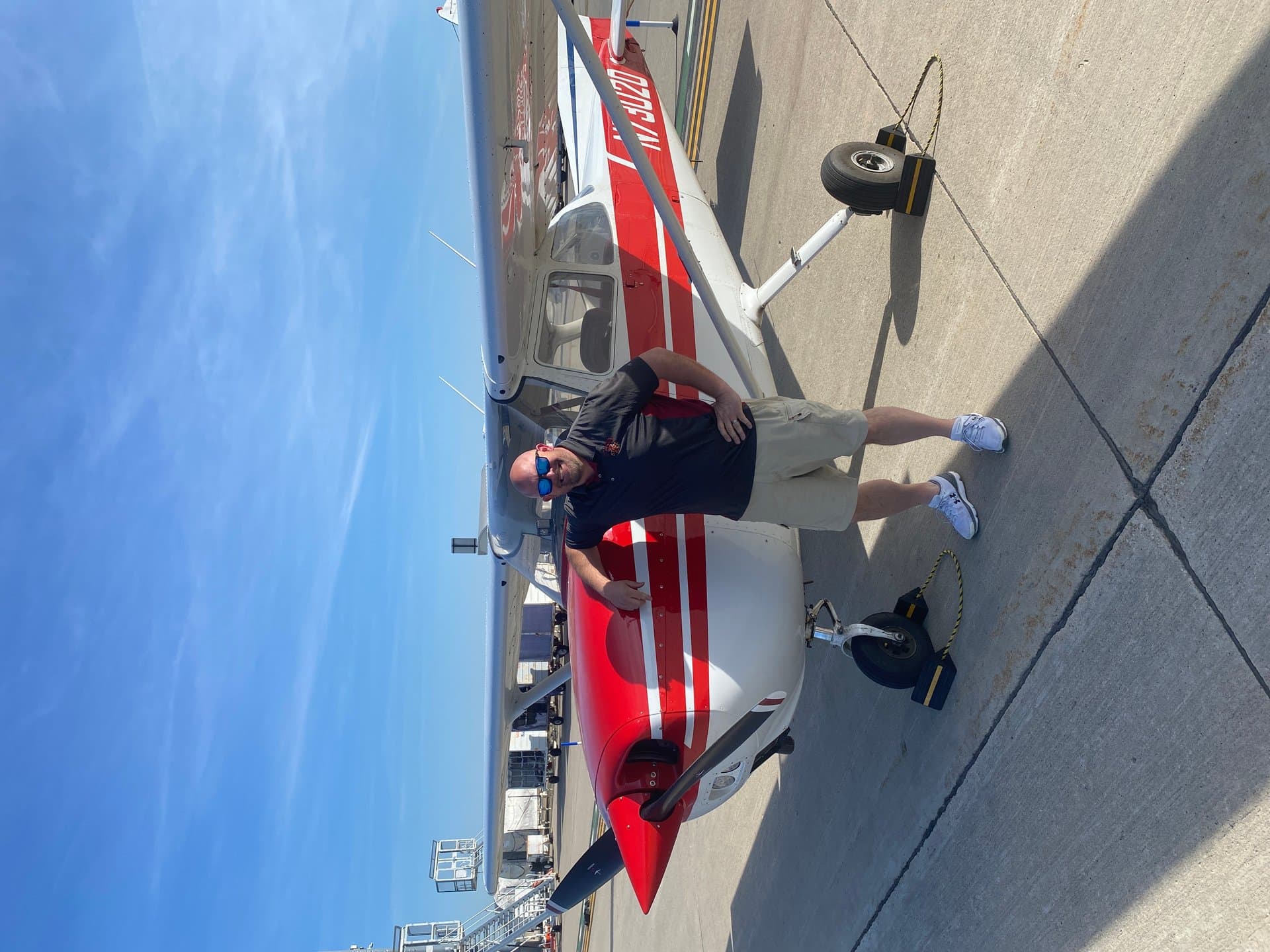
Commercial Pilot
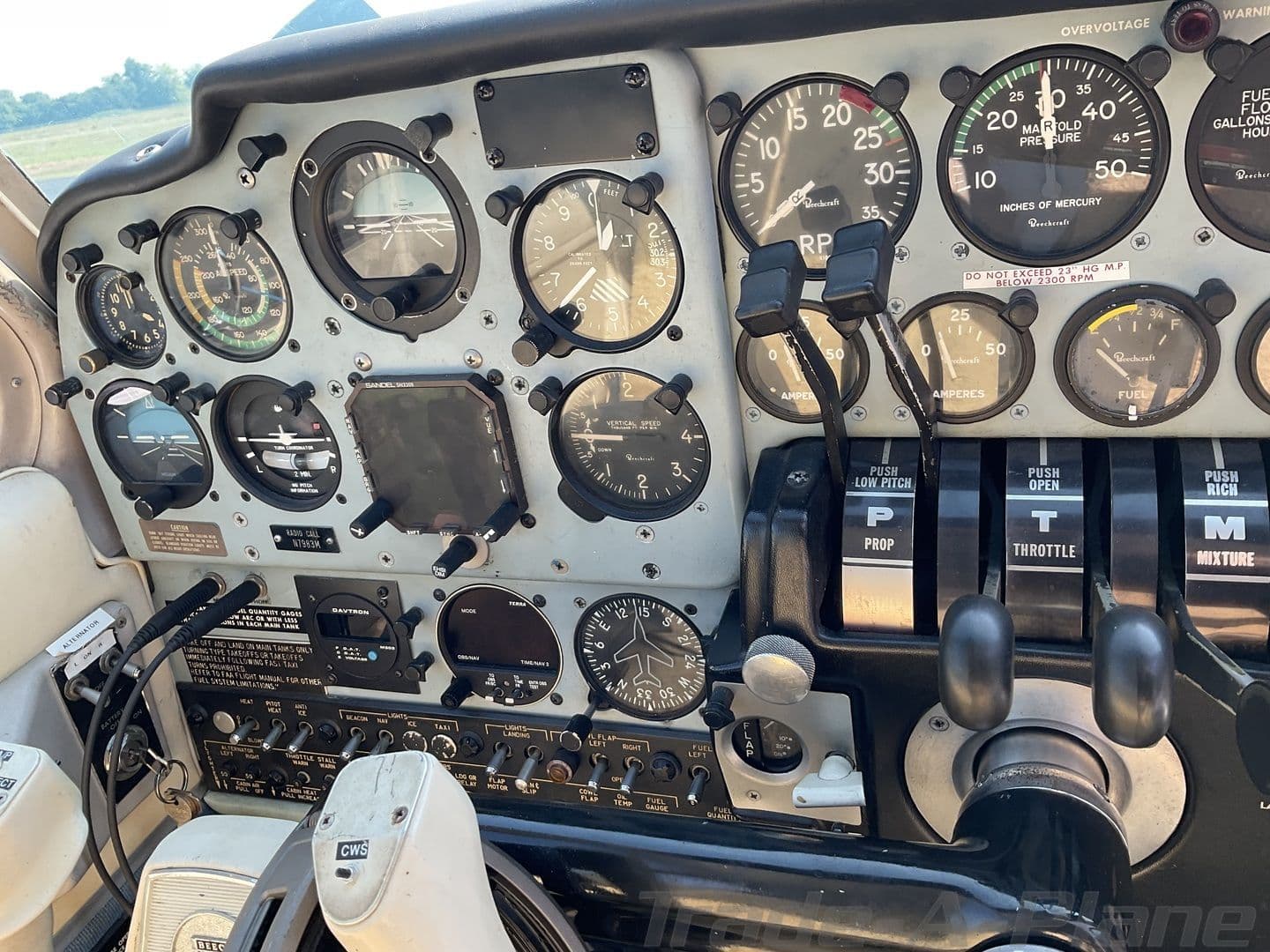
Multi-Engine Rating
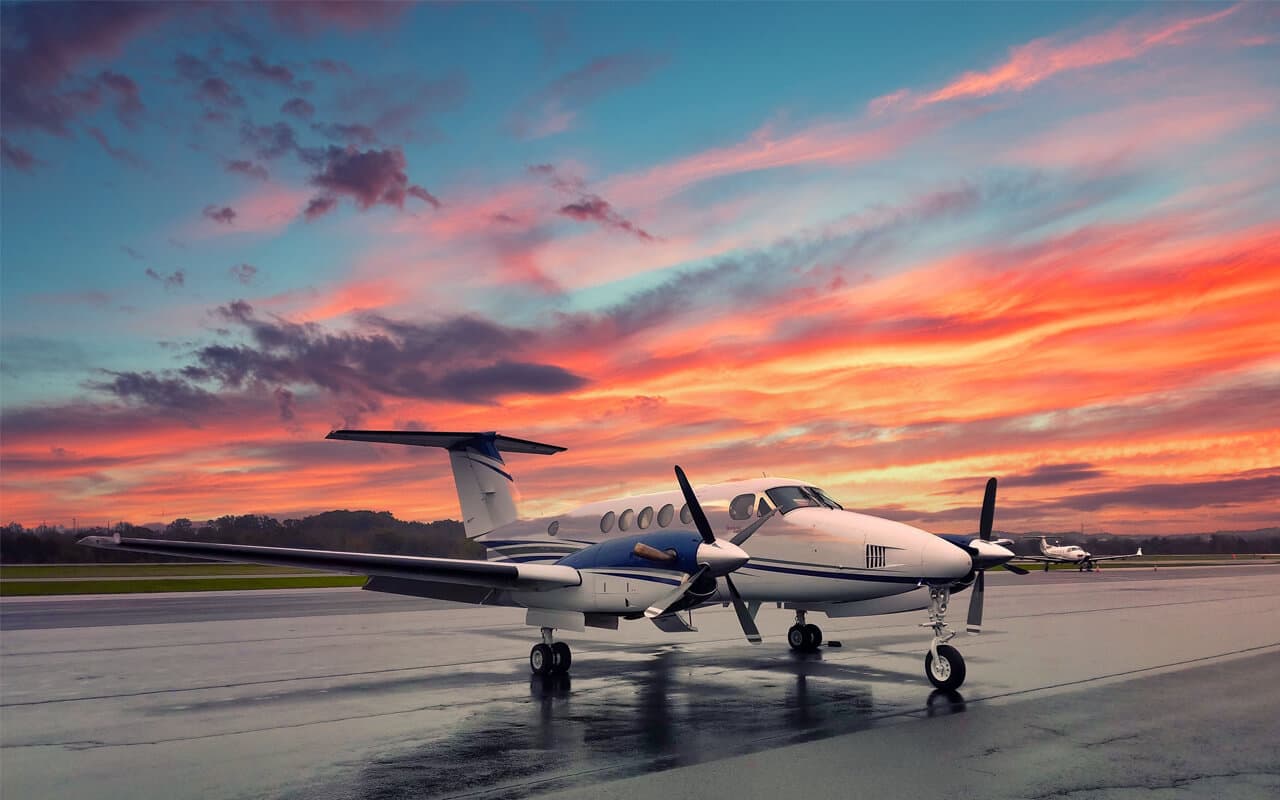
Multi-Engine Commercial
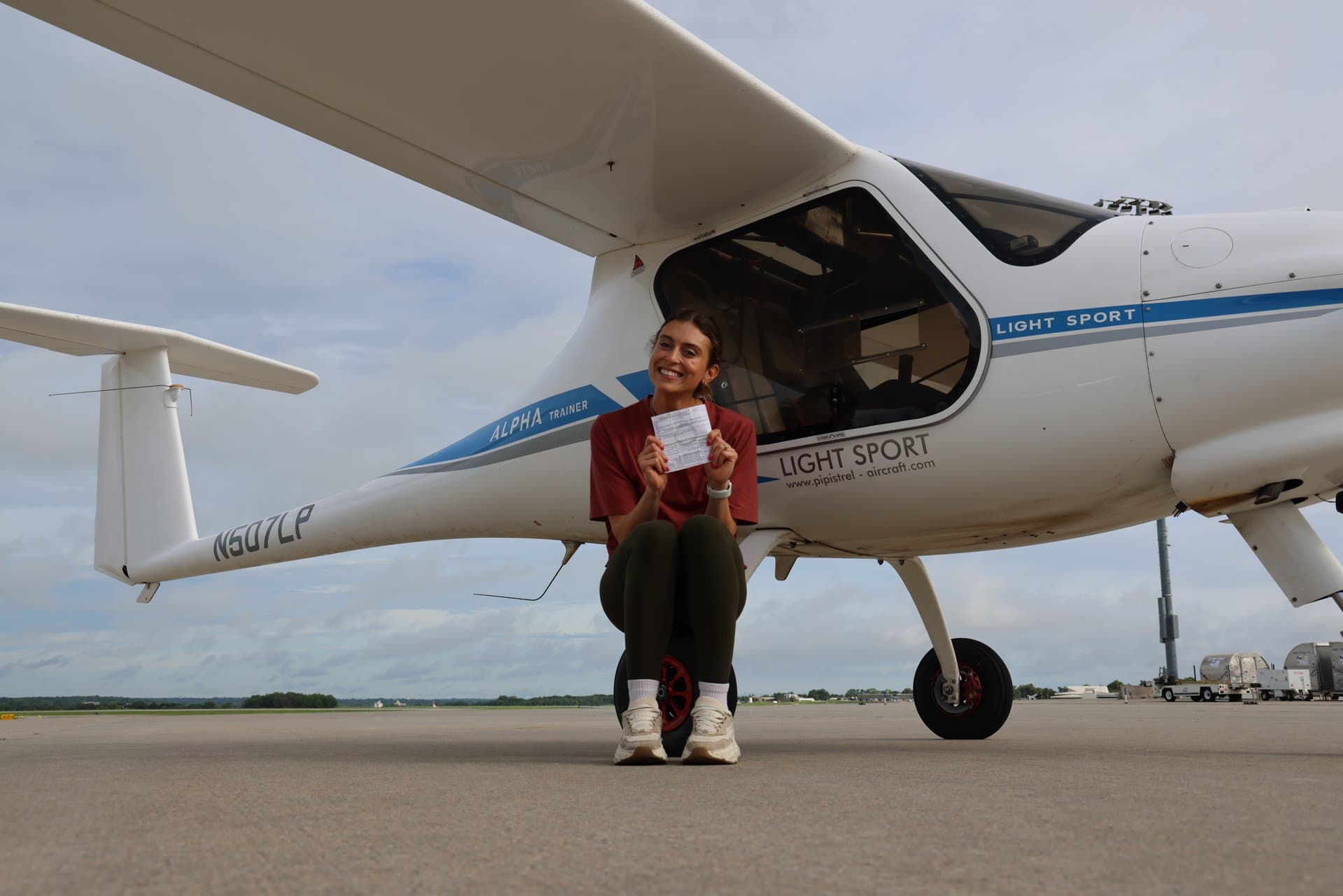
CFI
CFII
MEI
Not sure where to start?
Why Train Self-Paced?
Flexible training that adapts to your life, budget, and goals.
Fly Yourself Anywhere
Skip the airlines and fly direct. A 6-hour drive becomes a 1.5-hour flight.
Take Passengers
Bring friends and family along for the adventure.
Fly Day or Night
With proper training, fly during daylight or after dark.
Fly Cross-Country
Plan trips to any of the 5,000+ public airports in the US.
Share Expenses
Split the cost of flights with your passengers.
Foundation for More
Your certificate is the foundation for advanced ratings.
Common Training Pathways
Whether you want to fly for fun or build a career, here's how certificates typically stack.
Recreational Pilot
Fly for fun on clear days
All-Weather Pilot
Fly in any conditions
Career Pilot
Professional flying privileges
Flight Instructor
Teach others & build hours
Self-Paced vs Fast Track
Not sure which approach is right for you? Here's a quick comparison.
| Feature | Self-Paced | Fast Track |
|---|---|---|
| Scheduling | Flexible, train when available | Full-time, structured schedule |
| Payment | Pay per lesson | One fixed price upfront |
| Timeline | 9-18+ months typical | 7-12 months guaranteed |
| Total Cost | Often slightly higher | Bulk discount included |
| Best For | Working professionals, flexible schedules | Career changers, dedicated students |
Frequently Asked Questions
Common questions about self-paced flight training
How long does it take to get my Private Pilot certificate?
Training part-time (2-3 flights per week), most students complete their Private Pilot in 3-6 months. Flying more frequently typically means faster progress since you retain skills better between lessons. The FAA minimum is 40 hours, but the national average is 60-70 hours.
Can I train on weekends only?
Absolutely! Many of our students are working professionals who train exclusively on weekends. We have instructors available seven days a week. Weekend-only training typically takes longer (6-9 months for Private Pilot), but it's a great option if that's what fits your schedule.
What happens if I need to take a break from training?
Life happens, and we understand. Your logbook hours never expire. If you take an extended break, you may need a few refresher flights to get back up to speed, but you won't lose your progress. We recommend flying at least once every 2-3 weeks to maintain proficiency.
Is self-paced training more expensive than Fast Track?
It can be slightly more expensive overall because Fast Track programs include bulk discounts. However, self-paced lets you spread payments over time and doesn't require a large upfront investment. Many students find the flexibility worth the modest difference in total cost.
Can I switch to a Fast Track program later?
Yes! If your situation changes and you can commit to full-time training, we can transition you to a Fast Track program. Any hours you've already logged will count toward your certificates, and we'll credit what you've already paid toward the program price.
Do I need any prior experience to start?
None at all. Most students have never touched an airplane before their first lesson. We'll teach you everything from the ground up. All you need is the desire to learn and a valid driver's license (or FAA medical certificate for non-Sport Pilot training).
Still have questions?